“Love can justify just about any action, no matter how horrible.”
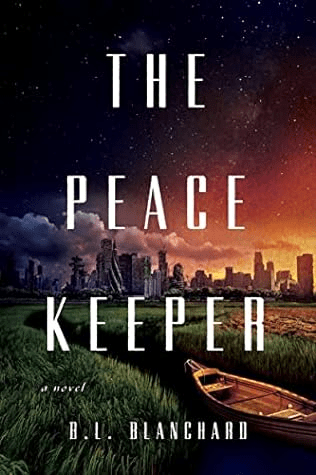
This novel takes place in an alternate universe in which America was never colonized by Europeans. (However, the native tribes did assimilate each other.) The world is similar to ours in terms of technological level, but society is organized differently. Different cultures from around the world get along with each other better than in our world. Skyscrapers are designed to incorporate plant growth making for carbon negative cities. There’s nationalized health care and universal basic income, however there are still beggars so the system isn’t perfect.
Courts are based on restorative justice rather than punishing wrongdoers, which I really liked. More science fiction novels should experiment with different judicial systems. The worst offenders do get locked up, but they’re placed in rehabilitation centers rather than prisons. This world is more of a utopia than ours, but it still has its problems.
Our main viewpoint character is Chibenashi. (The brief moments someone else is our viewpoint character didn’t really add anything and were unnecessary in my opinion.) He’s a peacekeeper who is determined to solve the first murder to happen in decades in his small hometown of Baawitigong (called Sault Ste. Marie in our world). In order to do so, he needs to travel to the big city of Shikaakwa (Chicago) and work with big city peacekeeper Takumwah.
A clash of cultures ensues. Chibenashi prays before meals while Takumwah doesn’t. Chibenashi isn’t used to eating food from different cultures, etc. He reconnects with his old girlfriend Dakaasin who moved to the big city long ago, giving us a bit of romance. He doesn’t like the big city at first, but ends up realizing it isn’t all bad.
Chibenashi has to leave behind his sister Ashwiyaa who is still traumatized by their mother’s murder twenty years later and requires constant care due to extreme social anxiety.
Typically, when a cop breaks the rules to solve a case in stories like these, it’s presented as being a good thing. I like that in this story, breaking the rules actually hurts rather than helps the case and the peacekeeper in question has to face actual consequences.
There’s a lot of Native American words sprinkled throughout the narrative. I wished I knew there was a glossary in the back before I read it, although it was usually clear what words meant based on context.
This world feels lived-in. Taking place in an alternate universe makes it quite a bit different from your typical murder mystery novel. However, it isn’t very satisfying as a mystery. I figured out who done it halfway through. The clues we were given were too much of a giveaway and there weren’t very many suspects to throw us off the trail. Still, the world it presents is a fascinating thought experiment.
 Mania Delight