
When we last left off, Don Juan and his friend John Johnson had just joined the Russian army to fight against the Turks in The Battle of Ismail. Let’s see how this turns out. Continue reading
When we last left off, Don Juan and his friend John Johnson had just joined the Russian army to fight against the Turks in The Battle of Ismail. Let’s see how this turns out. Continue reading
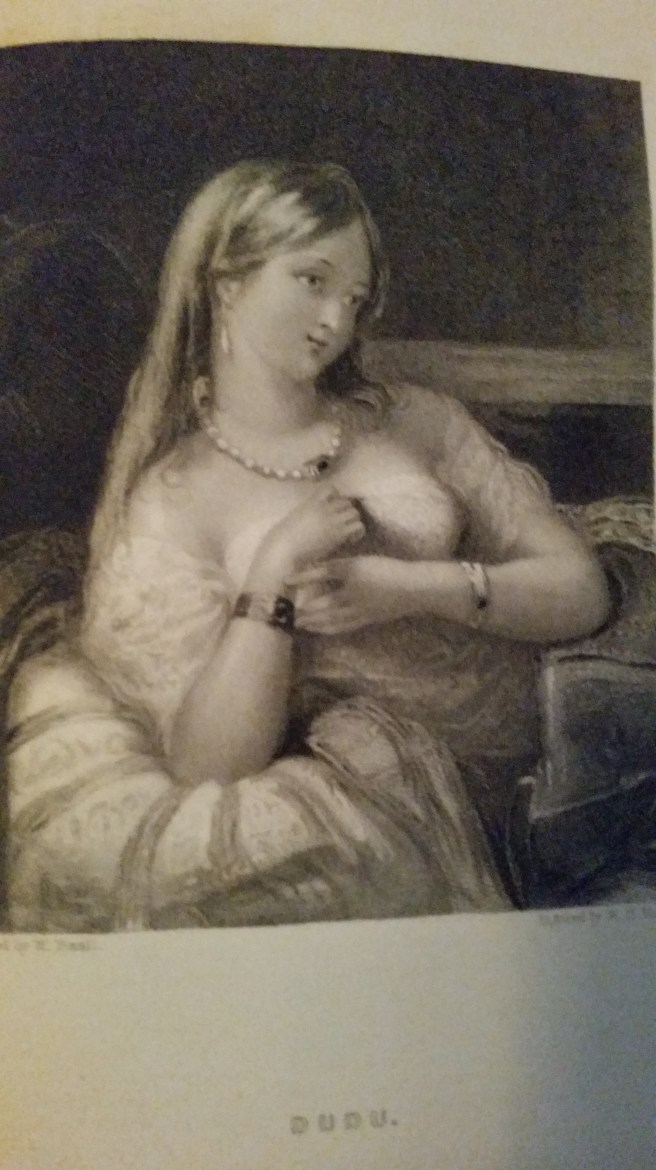
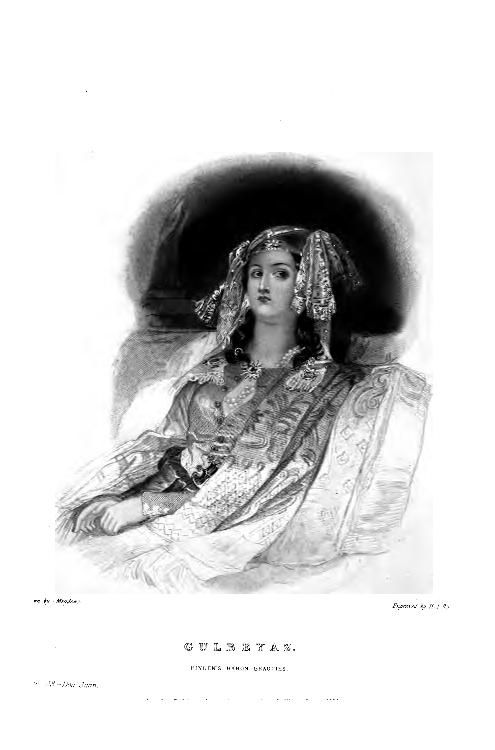
 When we last left Don Juan he was in a Turkish harem disguised as a maid. The sultan’s wife, Gulbeyaz, was about to kill him for sleeping with Dudu. So what happens next?
War! Continue reading
When we last left Don Juan, he’d been sold into slavery and taken to Constantinople to be the plaything of the Sultan’s wife, Gulbeyaz. But right when she’s about to insist he sleep with her, her husband The Sultan arrives. Continue reading
 Byron starts Canto 5 by telling us of the dangers of writing love poetry: “Even Petrarch’s self, if judged with due severity,/Is the Platonic pimp of all posterity.” (Canto V, 1) I’d never thought of it like that, but I think he’s right. Love poems (or today’s equivalent–love songs) help facilitate hooking up. To prevent this from happening, Byron assures us that he himself will always attach a good moral message to his poems. Yeah, I’m sure that’s exactly what’s going to happen. Continue reading
 When we last left Don Juan, he and his lover Haidee were having a party to celebrate the death of her slave-trader father Lambro. However, it turns out Lambro isn’t as dead as they had thought. Before we get back to the action, though, Byron starts off by telling us why he jokes around so much: Continue reading

When we last left Don Juan, he had been shipwrecked upon a Grecian island, but was brought back to health by a young woman named Haidee. The two fall in love, however, Haidee keeps Juan’s existence a secret from her father Lambro who is a slave trader. Let’s find out what happens next! Continue reading

When we last left Don Juan, his mother had sent him away to another country after discovering he’d had an affair with a married woman. When we start Canto II, he’s sailing away on a ship. He bids farewell to Spain, his mother, and most especially Julia. While in the midst of declaring his undying love for her (saying things like “Sooner shall this blue ocean melt to air/Sooner shall earth resolve itself to sea” (II, 19) than he forget about her), the ship lurches and he grows sea sick. Continue reading
 When I first started reading Don Juan by Lord Byron, I was expecting a long boring epic poem. Surprisingly, Don Juan is actually a satire and it’s full of humor. My summary probably won’t be as funny as reading the poem for yourself since I’ll mainly be providing punchlines without all of the set up, but we’ll see how it goes. Continue reading
 Mania Delight