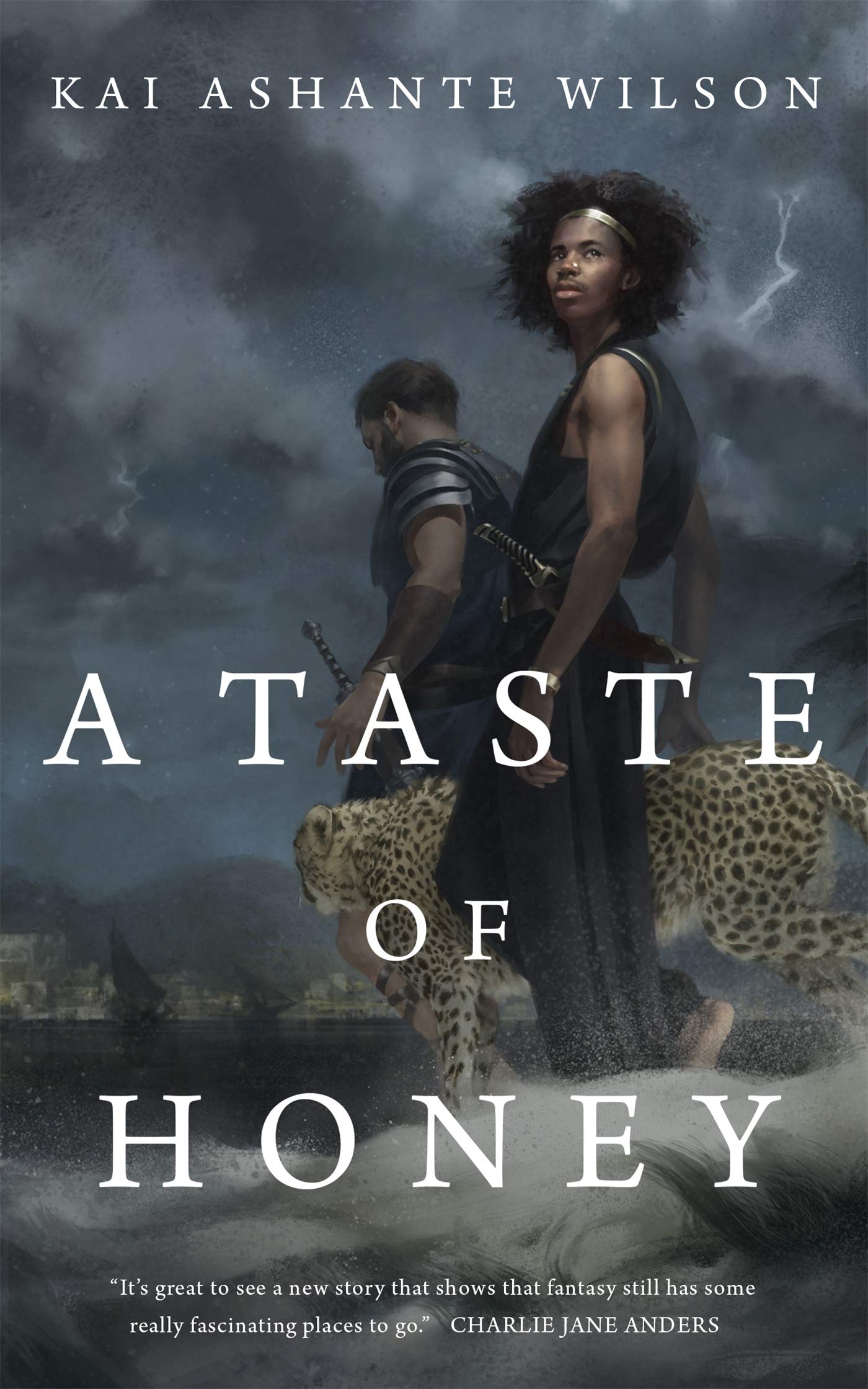
A Taste of Honey by Kai Ashante Wilson

71tBqw71zxL.jpg (1400×2240)

When we first meet Aqib, he’s taking the prince’s cheetah for a walk. We learn he is charged with taking care of the royal menagerie. He’s a member of the privileged class due to being a distant cousin to royalty. He’s also a bit of a snob and disdainful of the working class.

Aqib meets a foreign soldier named Lucrio who speaks in modern slang. This pulled me out of the fantasy world for a moment, but I soon learned that he spoke this way to indicate that he’s lower class and he learned to speak Olorumi from sailors. Lucrio’s native language is Latin (or a language very similar to it). He comes from Daluçan which is a land reminiscent of ancient Rome.

The two fall in love, although there are obstacles to their romance including Aqib’s homophobic brother, pressure from Aqib’s family to marry a high-born woman to raise the family’s status, and the fact that homosexuality is forbidden by Aqib’s religion.

The author sometimes doesn’t put dialogue in quotes or suddenly summarizes what was said, which is an interesting style. The story is also told out of order, but there’s a reason for this that becomes evident towards the end. The surprising reason the book is titled A Taste of Honey isn’t revealed until the end either.

There’s a lot of great world-building here. Olorumi is an interesting place where physics and math are considered women’s work. Magic gets introduced to the story towards the end. We learn certain people have supernatural abilities and we meet the Ashëans who are referred to as gods because of both their magical power and their high level of technology including holograms. The sudden introduction of magic and technology into the book towards the end was a bit jarring, but I think the author pulled it off.
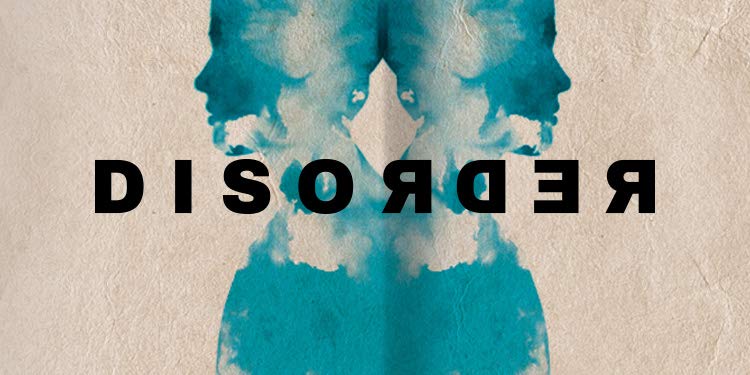
Disorder

20190627_US_AOS-Disorder_750x375.jpg (750×375)

Disorder is a collection of horror stories released by Amazon and free to read for Amazon Prime members. I present the stories below in the order I read them.

“The Best Girls” by Min Jin Lee takes place in Seoul, South Korea in 1989. A poor couple who have only girls are overjoyed when they finally have a boy because he’ll actually be able to get a good job and be able to provide for the family while the girls cannot. His older sisters aren’t upset that their little brother gets special treatment, they acknowledge that, given the culture they live in, he is considered more valuable than them. This actually wasn’t a horror story until the final, brutal sentence. Continue reading

Asimov’s July/August 2019

ASF_JulyAugust2019_400x570.jpg (565×565)

“The Work of Wolves” by Tegan Moore is probably the best story I’ve read so far in the pages of Asimov’s. (Why didn’t the author get her name on the cover when there was enough room for all the authors’ names there?) Our viewpoint character is Sera, a search and rescue dog who has been artificially enhanced. Sera’s human handler isn’t used to working with an enhanced dog, so Sera has to train her. Because she doesn’t act like a regular dog, people are uneasy around her. I liked this description of a drone: “The sound of it is like an itch inside my head, where I can’t reach it. It is like the feeling before a sneeze.” It also describes the sound of a drone as wasp-like. (Coincidentally, I was reading this while camping and mistook a passing drone for a wasp at first.) Sera ends up having to chase a rat being controlled by terrorists though a power plant. A very enjoyable read with a surprise ending I did not see coming.

Continue reading

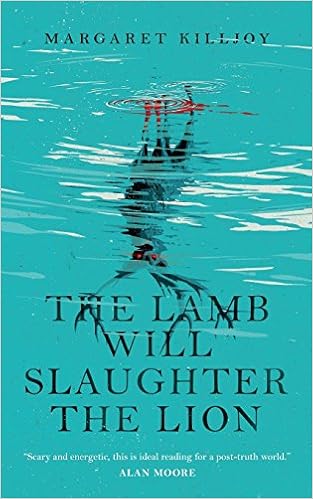
The Lamb Will Slaughter the Lion by Margaret Killjoy

Based on a review I read, I was really looking forward to this one. I love the title and the cover image is amazing. But of course, you can’t always judge a book by its cover. I’ve learned in the past that it’s a bad idea to get too excited about movies based on the trailer. The ones I look forward to the most usually don’t live up to my expectations and I walk away from the theater disappointed. So the fact that I was disappointed by this book may have more to do with my high expectations going into than the book itself. Continue reading

The Ballad of Black Tom by Victor LaValle

GUEST_28e09aa4-e0f0-4f0f-ad2f-e9acbb6ad61b (488×488)

“A fear of cosmic indifference suddenly seemed comical, or downright naive. Tester looked back to Malone and Mr. Howard. Beyond them he saw the police forces at the barricades as they muscled the crowd of Negroes back; he saw the decaying facade of his tenement with new eyes; he saw the patrol cars parked in the middle of the road like three great black hounds waiting to pounce on all these gathered sheep. What was indifference compared to malice? ‘Indifference would be such a relief,’ Tommy said.” Continue reading

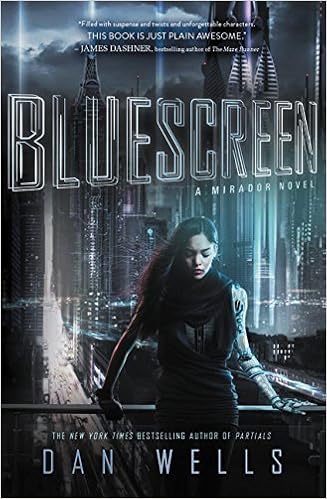
Bluescreen by Dan Wells

5111ptfJfGL._SX325_BO1,204,203,200_.jpg (327×499)

I don’t usually read Young Adult, but I really liked this one. (As an aside, I’ve often wondered what makes a particular book YA and I’ve come across many different answers over the years. Some people would say that what distinguishes YA from other genres is that there’s less swearing, sex, and violence, however I don’t think this is it since many YA stories actually contain above-average swearing, sex, and violence. Some say the only thing that makes a story YA is if the main character is a young adult, but many sections of the Game of Thrones series are told from a young adult perspective and it’s not considered YA. Also, the Hobbit and other stories are considered YA even though they’re not told from a young adult’s perspective. Continue reading

Asimov’s May/June 2019

45710680.jpg (318×447)

The good thing about having a subscription to a print magazine is it encourages me to actually read it. I always mean to read internet-based magazines, but I often never get around to them. The problem with podcasts is I’m always falling behind the most recent episode. It’s especially hard to keep up to date with podcasts that have extensive back catalogs. I have a greater incentive to read a print magazine, though, because I’ve already paid for it, so not reading it would be wasting money.

Continue reading